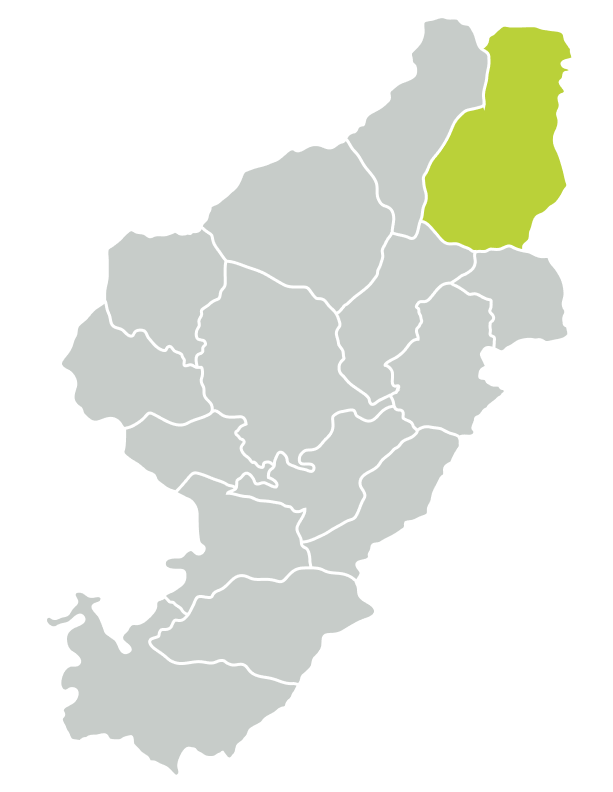
S. Jorge da Beira

S. Jorge da Beira

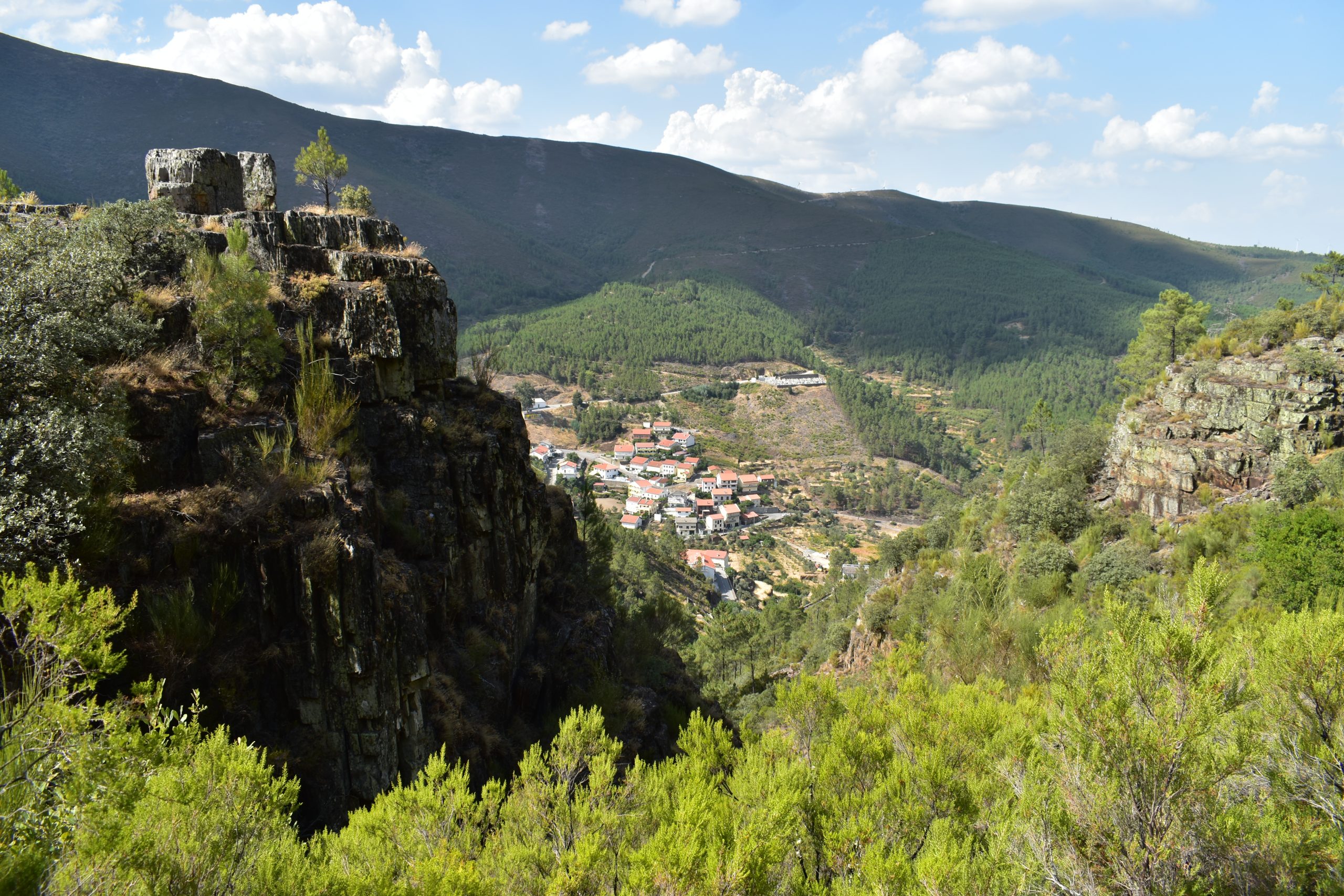
The story of wolfram mining in Portugal began here, still at the end of the XIX century, through a simple coal miner from Casegas that found some black stones and took them to a fellow countryman with connections in Lisbon, who later acknowledged the findings. That’s how the story of Panasqueira mines began, later the Couto Mineiro da Panasqueira, which is still ongoing.

In the village of Panasqueira, only the vivid memory of mining remains, expressed in the vastness of old warehouses and the workers’ homes, witnesses of social life and intensive labour with dozens of families living from the mine and for the mine, justifying even the existence of a cinema.

However, S. Jorge da Beira is not limited to the mines and of resulting industrial landscapes. The village is located at the foot of the Açor mountain range, where its peak is Cebola, equally integrated in the Rede Natura site known as the Açor complex.


Schist
Schist
Wolfram
Wolfram

Sobral de S. Miguel

Sobral de S. Miguel

The name Sobral says it all. Its the land of the cork oak trees (here normally known as sobreiras), some of which around the village are of huge dimension. The vegetation cover of lower lands is potentially of cork oak and as understory, the Mediterranean scrublands, where the strawberry tree is ever-present.

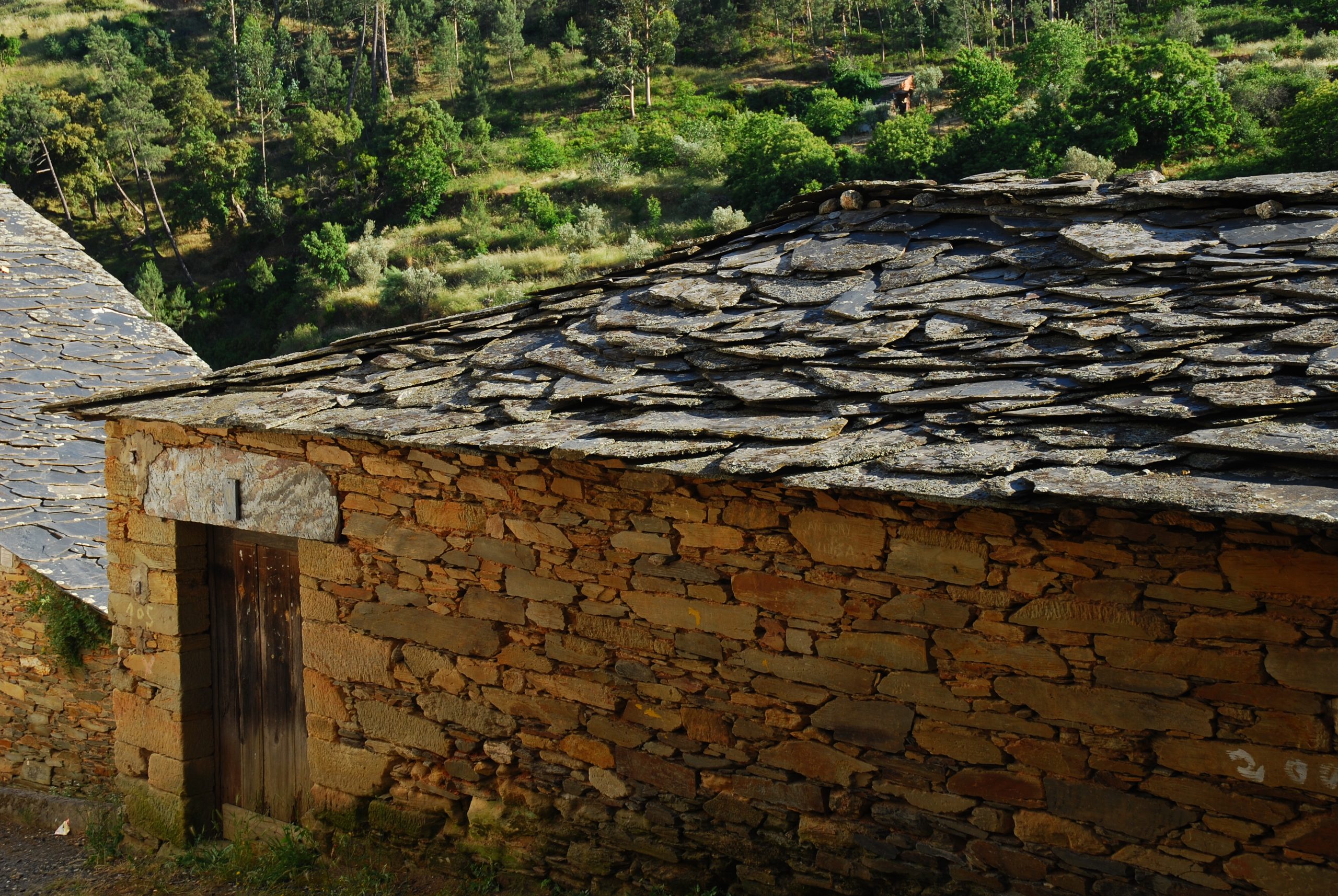
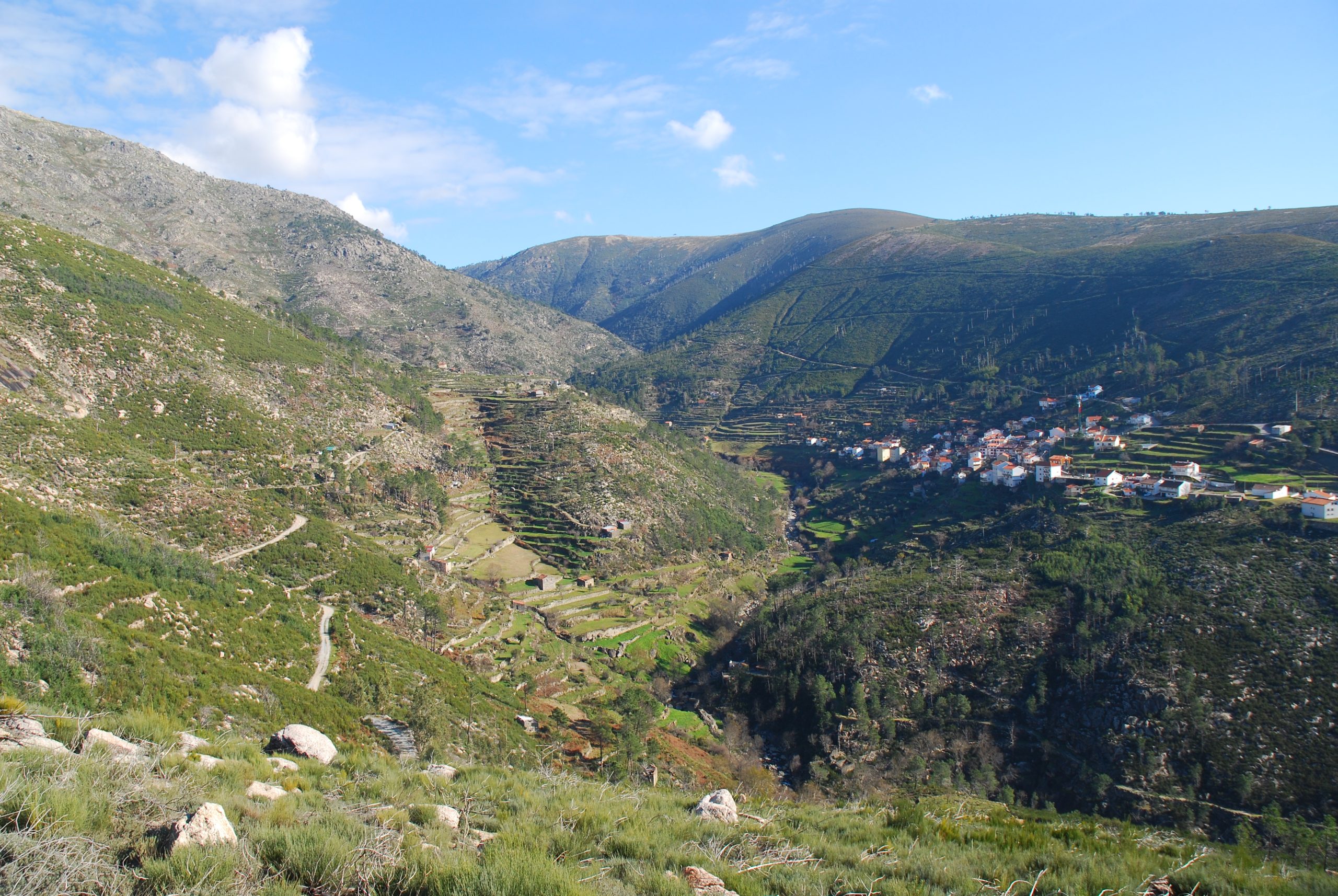
A large part of the relief is very rugged, in a succession of hills and cliffs increasingly high and deep. This morphology did not intimidate its inhabitants who over centuries built walls and terraces in schist, conquering metre by metre arable land and creating ingenious systems of water conduction. The schist is a very present reality throughout the territory of Sobral and is therefore rightly integrated into the network of Schist Villages.

The toponym of the charismatic peak of the parish, Gondufo peak, brings us the Germanic and magical reminiscences. Besides the magnificent landscape, it is a place that, due to its botanical interest, is part of the Natura 2000 Network Site designated as the Açor complex.

Estrela
Estrela
Schist
Schist

Erada

Erada

Despite Erada being at the foot of Estrela, it does not have a true highland aspect. The relief is rounded and the rocky outcrops are not common. The higher elevations are occupied by bushes of diversified shrubby species, whose multicoloured blossoms extend from late winter to summer, which is why bee-keeping is widely used.

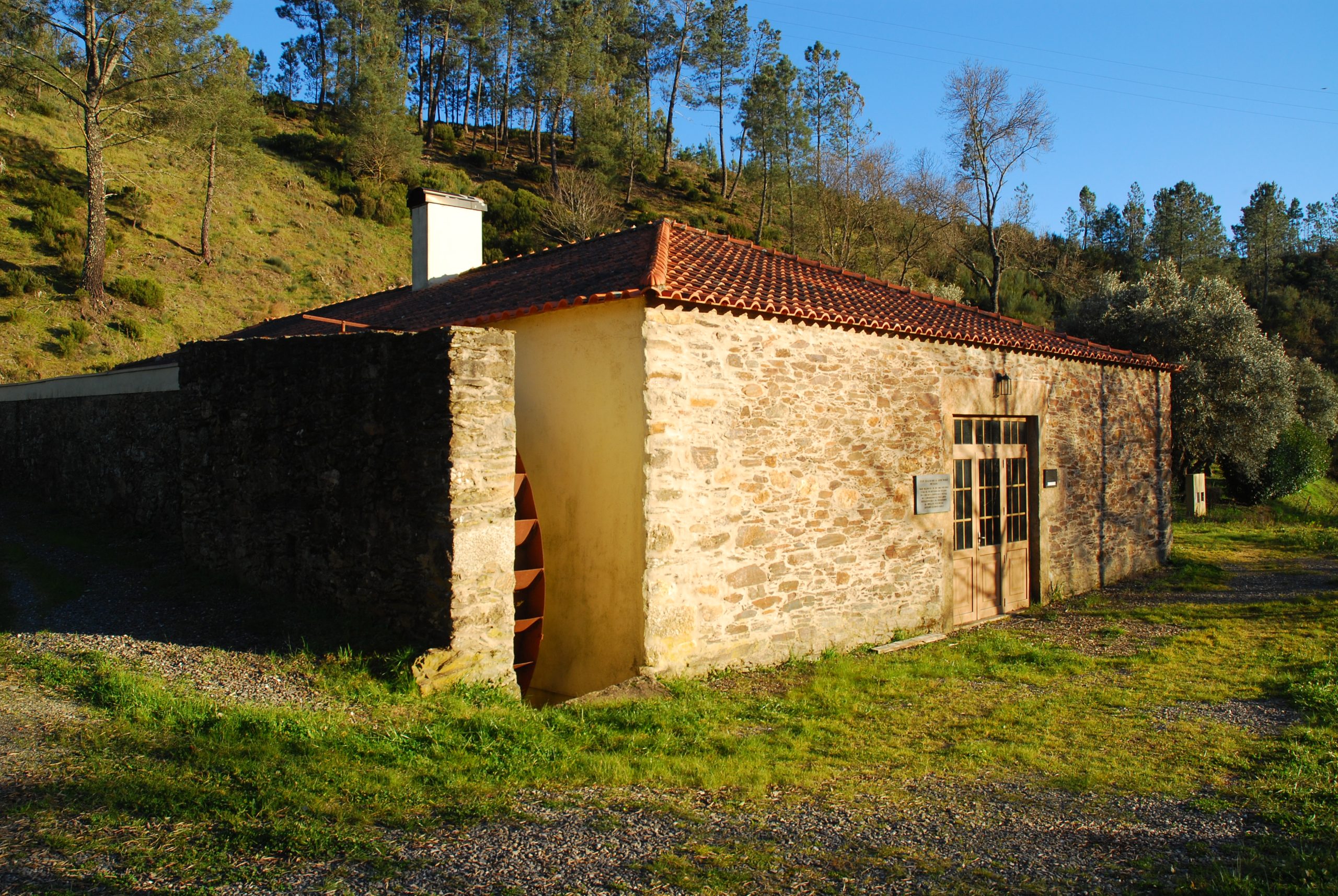
On the slopes pine forest is dominant, on the lowlands, plains and also terraces, olive trees are strongly present, having had many olive mills functioning, one of which was recovered by the parish council, that did the pressing by rods, a fact that gives it special interest.

The differences of relief and the occupation of the ground make Erada a zone of transition, between Estrela and the river.

Estrela
Estrela
Schist
Schist
Erada 1

Unhais da Serra

Unhais da Serra

The toponym is perhaps due to the fact that it is located at the foot or edge of Estrela, whose presence is characteristic of this parish, closely linked to the so-called wool rope of the Estrela mountain range, with an intensive industrial activity from both the past and present. Even though, rurality and pastoralism are both very present, with marshes and mills along the Alforfa stream, running along a valley where there are many glaciation testimonies, some of which are classified as geosites under the Estrela Geopark.

Most of the morphology of the mountainous area of Unhais belongs to the granite domain, however, schist has a strong presence at lower altitudes, of which both materials are used side by side in traditional architecture.

Between the industry of wool and the rurality, the existence of hot springs confirms a certain cosmopolitan tone to Unhais, with chalets and hotels, resulting in a very particular local character.

Estrela
Estrela

Cortes do Meio

Cortes do Meio

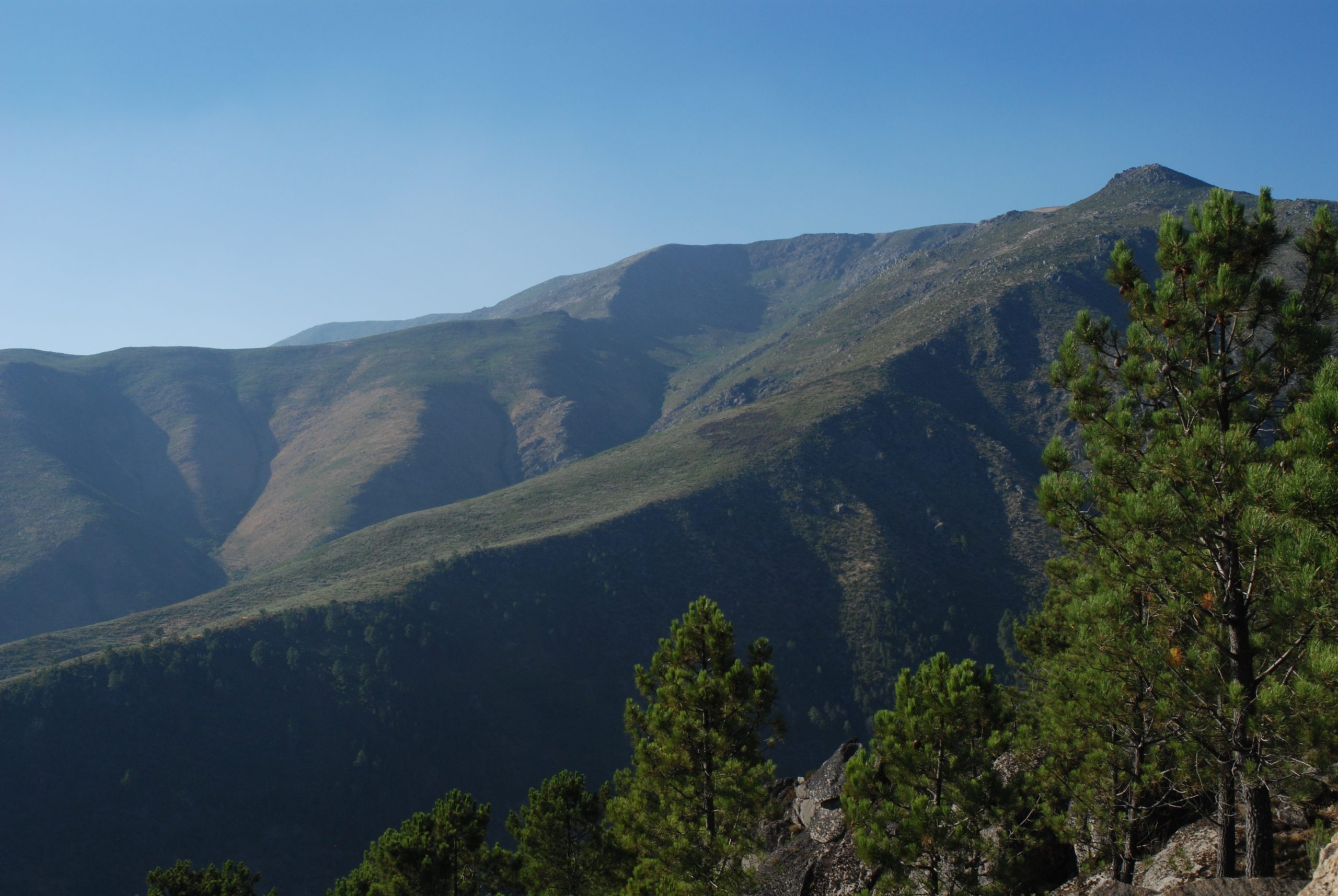
Cortes de Meio is a parish of contrasts, that ever since it can be seen in the altimetry of its territory, with summits as low as 500m reaching over 1600m high. Its peak is Penhas da Saúde, an atypical place in the mountain range, that was born at the end of the XIX century as a therapeutic resort for the treatment of tuberculosis and evolved into a mountain resort.

Its mountainous habitats (woods, peat bogs and mat grass) form the springs and reservoirs for the Cortes stream, that goes down the mountain through torrents and waterfalls, between granite blocks forming the “famous pools” of crystal clear water, making Cortes de Meio the capital of natural pools®.

The mining of wolfram was a very striking reality in the parish life, with around a dozen licensed mines, however, not much was left today but its memory. The agriculture, the grazing and forest exploration, continue to be the main activities in the landscape of Cortes de Meio.

Estrela
Estrela
Wolfram
Wolfram
mapa-cortes-do-meio
Foto de Pedro Ribeiro